“To try to regulate the internal affairs of a family, the relations of love or friendship, or many other things of the same sort, by law or by the coercion of public opinion, is like trying to pull an eyelash out of a man's eye with a pair of tongs. They may put out the eye, but they will never get hold of the eyelash”
Quote by James Fitzjames Stephen
Work
Liberty, Equality, Fraternity
This book delves into the origins and evolution of the ideals of liberty, equality, and fraternity, tracing their historical development and their impact on society. It analyzes the philosophical underpinnings of these concepts and discusses their application in various contexts, including politics, economics, and social movements. more
Author
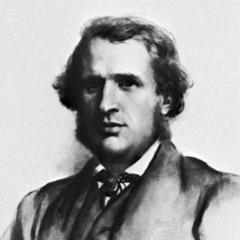
James Fitzjames Stephen
James Fitzjames Stephen, born on March 3, 1829, and died on March 11, 1894, was a prominent British judge known for his contributions to the legal field. more
You May Also Like
Source: Liberty, Equality, Fraternity
Source: Liberty, Equality, Fraternity
“The most pitiful among men is he who turns his dreams into silver and gold.”
Source: The New Frontier and Sand and Foam
Source: Selected Writings: An Introduction to Orgonomy