“The second most common misconception about love is the idea that dependency is love...Its effect is seen most dramatically in an individual who makes an attempt or gesture or threat to commit suicide or who becomes incapacitatingly depressed in response to a rejection or separation from spouse or lover...... When you require another individual for your survival, you are a parasite on that individual. There is no choice, no freedom involved in your relationship. It is a matter of necessity rather than love, love is the free exercise of choice. Two people love each other only when they are quite capable of living without each other but choose to live with each other.”
Quote by M. Scott Peck
Work
The Road Less Traveled: A New Psychology of Love, Traditional Values and Spiritual Growth
This book delves into the complexities of human relationships and self-improvement, offering readers a unique perspective on love, personal values, and spiritual development. more
Author
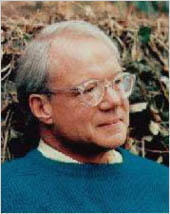
M. Scott Peck
M. Scott Peck was an American psychiatrist and writer, best known for his book 'The Road Less Traveled', which delves into themes of personal growth, psychotherapy, and the human mind. His writing style has been widely appreciated, and his works have had a profound impact on the fields of psychology and philosophy. more
You May Also Like
“He wanted to brand her, to stamp his mark into her flesh for the entire world to see she was his.”
Source: Stolen
Source: It
Source: Healing Trauma: Attachment, Mind, Body and Brain
“As if he had simply stolen a piece of her heart and without him it refused to beat.”
Source: Stolen
Source: Brahmacharya: Celibacy
Source: Split Second
Source: Brahmacharya: Celibacy
Source: Generation Gap
Source: Generation Gap