Quotessence
Home / Quotes / Quote by William A. Rusher

Quote by William A. Rusher

“She was obviously useful at the UN because she had a public persona before she ever got there. She was well known. She was a spokeswoman for many important things. When she got there, what she said was paid attention to, undoubtedly much more than would have been if just Joe Blow had been made our representative to the United Nations. In that sense, I think it was useful to have her there.”

Quote by William A. Rusher

Author
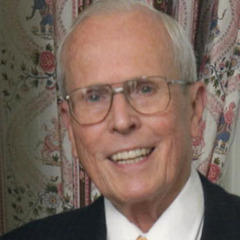
William A. Rusher
William A. Rusher

William A. Rusher was a significant figure in 20th-century American politics and thought, whose life and contributions had a profound impact on political commentary, law, and philosophy. more

You May Also Like

“I don't think she ever had a single initiative at the United Nations that was not previously [vetted] by the people at the State Department, approved of, and authorized. She did manage to get around the world an awful lot, and find other parts of her vast slum project that needed repair. But I don't think that that was the main point. The main point was that she, after all, connoted Franklin Roosevelt, who by then was long dead, and had a certain prestige and power on that account.”

“Our Navy was very largely sunk. And we were at war in no time at all. I share, in retrospect, the distress we all share at the internment of the Japanese American citizens of the United States. It was not our finest hour. But the Supreme Court had it before it at the time, and justified it and upheld it.”

“And Eleanor's husband was the man who did the interning. And I think they - Governor Warren, who was later to become such an impassioned Chief Justice on all sorts of human rights issues, was very big in the internment process. And I think that we simply sometimes tend not to understand or remember how people felt.”

“These people looked Japanese, were originally Japanese, were numerous. We had no way of knowing to what extent they had been infiltrated. To their great credit, it seems not to have been very much at all. But I can understand why. And I rather respect Eleanor for standing out against the tide at that point. But it certainly was a tide. And I'm not going to say it was unjustified.”

“I have no idea why she quieted down on the subject. Maybe she was told to. I can imagine that it wasn't a very popular position in the Administration, with her own husband having ordered by executive order the internment. Maybe she was just told: "Look, we're in a war now. Turn off your social conscience."”

“In terms of legacy, I'm not sure that I see some great historic deposit there, as a result of her passing our way. She heightened the sense of social conscience in the New Deal generally. To her great credit, she was early on the side of the blacks in their fight for civil rights. She had a tendency to participate, which easily oozed over into meddlesomeness.”