Quotessence
Home / Quotes / Quote by Bryan Stevenson

Quote by Bryan Stevenson

“There are hundreds of ways we accommodate physical disabilities--or at least understand them. We get angry when people fail to recognize the need for thoughtful and compassionate assistance when it comes to the physically disabled, but because mental disabilities aren't visible in the same way, we tend to be dismissive of the needs of the disabled and quick to judge their deficits and failures.”

Quote by Bryan Stevenson

Work

Just Mercy

Browse quotes and source details for this work. more

Author

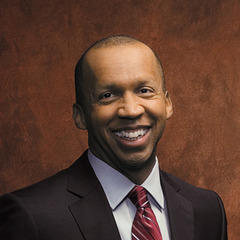
Bryan Stevenson
Bryan Stevenson

Bryan Stevenson is an American lawyer, educator, and social activist known for his contributions to criminal justice reform and the defense of the rights of the poor. Born on November 14, 1959, Stevenson is a professor at the University of Alabama at Birmingham School of Law. more

You May Also Like

“We had felt no joy in seeing Viena undone and the Germans broken, but rather anguish. Not compassion, but a larger anguish, which was mixed up with our own misery, with the heavy threatening sensation of an irreparable and definitive evil, which was present everywhere. Nestling like gangrene in the guts of Europe and the world. The seed of future harm.”

“Any peace talks should begin with making peace with ourselves. First we need to recognize our anger, embrace it, and make peace with it. You don’t fight your anger, because your anger is you. Your anger is the wounded child in you. Why should you fight your anger? The method is entirely nonviolent: awareness, mindfulness, and tenderly holding your anger within you. Like this, your anger will transform naturally.”

“When we feel anger, irritation, or indignation arising in us, we pause. We stop and come back to our breathing straight away. We do not say or do anything when we are inhabited by this kind of energy, so we don’t escalate the conflict. We wait until we’re calm again. Being able to pause is the greatest gift. It gives us the opportunity to bring more love and compassion into the world rather than more anger and suffering.”

“As she stooped over him, her tears fell upon his forehead. The boy stirred, and smiled in his sleep, as though these marks of pity and compassion had awakened some pleasant dream of a love and affection he had never known; as a strain of gentle music, or the rippling of water in a silent place, or the odour of a flower, or even the mention of a familiar word, will sometimes call up sudden dim remembrances of scenes that never were, in this life; which vanish like a breath; and which some brief memory of a happier existence, long gone by, would seem to have awakened, for no voluntary exertion of the mind can ever recall them.”