Quotessence
Home / Quotes / Quote by Samuel Hopkins Adams

Quote by Samuel Hopkins Adams

“We are living at a time when creeds and ideologies vary and clash. But the gospel of human sympathy is universal and eternal.”

Quote by Samuel Hopkins Adams

Author
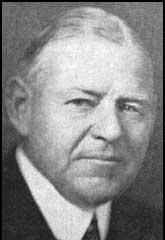
Samuel Hopkins Adams

Samuel Hopkins Adams was an American writer and investigative journalist, known for his muckraking journalism. Born on January 26, 1871, and dying on November 16, 1958, Adams is celebrated for his exposés on the pharmaceutical industry's unsanitary conditions and fraudulent practices. more

You May Also Like

“May I make two citations from the words of a discerning editorial writer, not one of my faith, but one of much faith: "If we neglect the divine . . . and give ourselves over wholly to the human," he said, "we may certainly count upon nothing but the triumph of pessimism. . . . True optimism must rest upon a calm, unshakable faith in eternal life and in the unlimited goodness of him who gives it."”

“The universe exists under a reign of eternal law, surpassing the imperfect laws of human government. Such orderliness, such domination by law, imply intelligent planning and purpose. Nothing happens of itself. Nowhere, in the age-old experience of man, has continued order been found except as the product of intelligent direction.”

“Do not fear the challenges of life, but approach them patiently, with faith in God. He will reward your faith with power not only to endure, but also to overcome hardships, disappointments, trials, and struggles of daily living. Through diligently striving to live the law of God and with faith in Him, we will not be diverted from our eternal course.”

“All forms of beauty, like all possible phenomena, contain an element of the eternal and an element of the transitory - of the absolute and of the particular. Absolute and eternal beauty does not exist, or rather it is only an abstraction creamed from the general surface of different beauties. The particular element in each manifestation comes from the emotions: and just as we have our own particular emotions, so we have our own beauty.”