“There is a remedy for every wrong and a satisfaction for every soul.”
Quote by Ralph Waldo Emerson
Work
A Dream Too Wild: Emerson Meditations for Every Day of the Year
This collection presents a year-long journey through the transcendentalist philosophy of Ralph Waldo Emerson, with a meditation for every calendar day. Each entry is drawn from Emerson's published works, including his essays, lectures, and poems, and is designed to inspire personal reflection and connection with nature, self-reliance, and the spiritual insights central to his thought. The book organizes Emerson's timeless wisdom into daily readings, making his ideas accessible for contemporary readers seeking daily inspiration or a structured encounter with his philosophy. more
Author
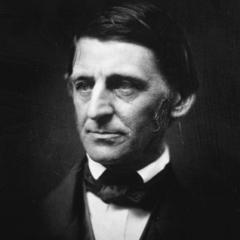
Ralph Waldo Emerson
American essayist, poet, and philosopher. Born on May 25, 1803, and died on April 27, 1882. Known for his transcendentalist philosophy, his works have had a profound impact on literature and the intellectual world. more
You May Also Like
Source: Society and Solitude and Other Essays
“There is a kind of latent omniscience, not only in every man, but in every particle.”
Source: The Journals and Miscellaneous Notebooks of Ralph Waldo Emerson
“Truth is the summit of being.”
Source: The Essential Writings of Ralph Waldo Emerson
Source: The Collected Works of Ralph Waldo Emerson: Society and solitude
Source: The Conduct of Life
Source: Essays
“Of all wit's uses, the main one is to live well with who has none.”
Source: The Prose Works of Ralph Waldo Emerson: Representative men. English traits. Conduct of life
“The finest wits have their sediment.”
Source: The Complete Works of Ralph Waldo Emerson: Comprising His Essays, Lectures, Poems, and Orations