“Just as the education of nerve and sinew is vital to the excellent athlete and education of the mind is vital to the scholar, education of the conscience is vital to the truly proactive, highly effective person. Training and educating the conscience, however, requires even greater concentration, more balanced discipline, more consistently honest living. It requires regular feasting on inspiring literature, thinking noble thoughts and, above all, living in harmony with its still small voice.”
Quote by Stephen Covey
Work
Daily Reflections for Highly Effective People: Living THE SEVEN HABITS OF HIGHLY SUCCESSFUL PEOPLE Every Day
This book provides daily reflections and exercises to help readers apply the seven habits of highly successful people, as outlined in Stephen R. Covey's original work, to their daily lives. more
Author
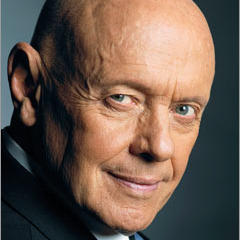
Stephen Covey
Stephen Covey was an American author, entrepreneur, and lecturer, best known for his book 'The 7 Habits of Highly Effective People'. Since its publication in 1989, this book has become a global bestseller and has had a profound impact on personal and organizational development. more
You May Also Like
Source: The 7 Habits of Highly Effective People: Powerful Lessons in Personal Change Interactive Edition
Source: Daily Reflections for Highly Effective People: Living THE SEVEN HABITS OF HIGHLY SUCCESSFUL PEOPLE Every Day
Source: The 7 Habits of Highly Effective People: Powerful Lessons in Personal Change
Source: The 7 Habits of Highly Effective People: Powerful Lessons in Personal Change
Source: The 7 Habits of Highly Effective People: Powerful Lessons in Personal Change