“Young love-making--that gossamer web! Even the points it clings to--the things whence its subtle interlacings are swung--are scarcely perceptible: momentary touches of finger-tips, meetings of rays from blue and dark orbs, unfinished phrases, lightest changes of cheek and lip, faintest tremors. The web itself is made of spontaneous beliefs and indefinable joys, yearnings of one life towards another, visions of completeness, indefinite trust.”
Quote by George Eliot
Work
Middlemarch: Easyread Edition
George Eliot's 'Middlemarch' is a comprehensive portrayal of English society during the Victorian era, exploring themes of moral growth, social change, and the complexities of human relationships through the lives of various characters living in the town of Middlemarch. more
Author
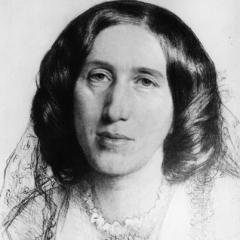
George Eliot
George Eliot, born Mary Ann Evans, was a renowned 19th-century British novelist. Her works are known for their profound psychological insights and critical exploration of social issues. With her unique narrative techniques and rich emotional expression, she has had a profound impact on literature. more
You May Also Like
Source: Delphi Complete Works of George Eliot (Illustrated)
Source: Felix Holt: The Radical
Source: Silas Marner and Scenes of Clerical Life
Source: Complete Works Of George Eliot
Source: Felix Holt: The Radical
Source: Delphi Complete Works of George Eliot (Illustrated)
Source: Silas Marner ; And, Scenes of Clerical Life
Source: Felix Holt: The Radical
“Incentives are not strategy, they are tactics. Defensive measures.”
Source: Four Novels of George Eliot