“There is something so degrading - at least, one would think that there were something so degrading in the practice of writing as a trade - that anyone who has once earned a livelihood, or part of it, obviously and openly, by popular writing, can never be seriously regarded by any great number of people. And then, of course, "he does too much.”
Quote by Ezra Pound
Work
Selected Prose 1909–1965
Browse quotes and source details for this work. more
Author
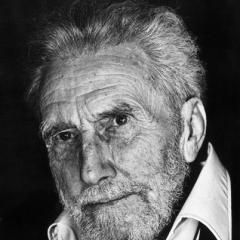
Ezra Pound
Ezra Pound was an American poet, literary critic, and economist. Born on October 30, 1885, and passing away on November 1, 1972, he is regarded as one of the most influential poets of the 20th century. Known for his work in the Imagist movement and his extensive contributions to literature, Pound played a pivotal role in shaping modern poetry. more
You May Also Like
“Silence of dissent creates change at the behest of those who do not stay silent.”
“It's not an effective protest if it's not pissing people off.”
Source: Lock In
Source: Hope in the Dark: The Untold History of People Power
“I do what I can,' I said. 'When I can do more, I will. You know that.”
Source: Parable of the Talents
“We felt as though we had a responsibility to do something about it. So, we did.”
Source: We Rise: The Earth Guardians Guide to Building a Movement that Restores the Planet
Source: Dear Cyborgs
“Violence is the power of the state; imagination and non-violence the power of civil society.”
Source: Hope in the Dark: The Untold History of People Power
Source: Marketing Management and Administrative Action