“Turbulent childhood, adolescent daydreams in the drone of the bus's motor, mornings, unspoiled girls, beaches, young muscles always at the peak of their effort, evening's slight anxiety in a sixteen-year-old-heart, lust for life, fame, and ever the same sky through the years, unfailing in strength and light, itself insatiable, consuming one by one over a period of months the victims stretched out in the form of crosses on the beach at the deathlike hour of noon.”
Quote by Albert Camus
Author
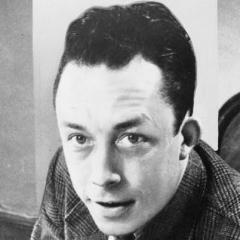
Albert Camus
Albert Camus was a French author and philosopher, born on November 7, 1913, and died on January 4, 1960. Known for his unique existentialist philosophy and profound insights into human suffering, Camus' works include 'The Stranger', 'The Plague', and 'The Myth of Sisyphus', which have had a profound impact on 20th-century literature. more
You May Also Like
Source: Salmonia: or, Days of fly fishing ... By an Angler i.e. Sir Humphry Davy . Third edition. With plates
Source: MacLaren's Commentary- Expositions of Holy Scripture
Source: The New Dictionary of Thoughts