“It is impressive to see a person who has been battered by life in many ways, who is torn by a variety of unsolved problems, who may be alienated from many aspects of the self-but who is still fighting, still struggling, still striving to find the path to a fulfilling existence, moved by the wisdom of knowing, "I am more than my problems."”
Quote by Nathaniel Branden
Work
Nathaniel Brandens Self-Esteem Every Day: Reflections on Self-Esteem and Spirituality
This book provides daily insights and reflections on the concepts of self-esteem and spirituality, offering readers a contemplative approach to personal growth and well-being. more
Author
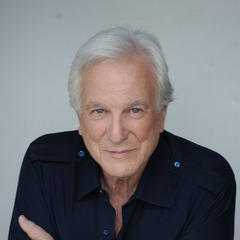
Nathaniel Branden
Nathaniel Branden was a renowned psychotherapist and author, best known for his contributions to the fields of personal growth and self-actualization. His work has had a profound impact on modern psychology, particularly in the areas of self-psychology and emotional intelligence. more
You May Also Like
Source: Wit and Wisdom of Gandhi, Nehru, Tagore: Being a Treasury of Over Ten Thousand Invaluable and Inspiring Thoughts, Views, and Obervations on about Eight Hundred Subjects of Popular Interest, Collected from the Speeches and Writings of These Three Great Leaders of Modern India
“Don't hope for a life without problems. An easy life results in a judgmental and lazy mind.”
Source: The River of the Mother of God: and other Essays by Aldo Leopold
Source: A Sand County Almanac, and Sketches Here and There
Source: Arctic Dreams