“Money is plentiful for those who understand the simple laws which govern its acquisition.”
Quote by George S. Clason
Work
The Richest Man in Babylon
This classic work explores the principles of financial prosperity through the stories of a wealthy Babylonian and his teachings to his fellow citizens. It delves into the virtues of saving, investing, and the importance of financial discipline, providing readers with valuable insights for achieving financial independence. more
Author
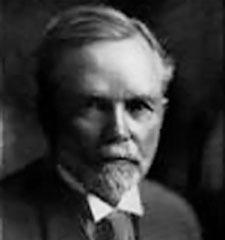
George S. Clason
George S. Clason was a renowned writer known for his books on finance and personal development. His works, such as 'Rich Dad Poor Dad' and 'The Secret of Money', have had a profound impact on personal finance management and the philosophy of success. more
You May Also Like
“There is a difference between being poor and being broke. Broke is temporary, and poor is eternal.”
Source: Rich Dad Poor Dad: What The Rich Teach Their Kids About Money That the Poor and Middle Class Do Not!
“The man who has won millions at the cost of his conscience is a failure.”
“When a man dies he clutches in his hands only that which he has given away during his lifetime.”
“A chemist who does not know mathematics is seriously handicapped.”
Source: The Collected Works of Irving Langmuir: Langmuir, the man and the scientist, including a biography by Albert Rosenfield
“A great deal of my work is just playing with equations and seeing what they give.”
Source: Proceedings of the Dirac Centennial Symposium: Florida State University, Tallahassee, USA, 6-7 December 2002
“A mathematical point is the most indivisble and unique thing which art can present.”