“Even the most despotic government cannot stand except for the consent of the governed.... Immediately the subject ceases to fear the despotic force, his power is gone.”
Quote by Mahatma Gandhi
Work
Freedom's Battle: Being a Comprehensive Collection of Writings and Speeches on the Present Situation
This book is a comprehensive collection that brings together various writings and speeches focusing on the current state of affairs and the ongoing fight for freedom. It serves as a repository of insights and perspectives from different authors and speakers on the subject. more
Author
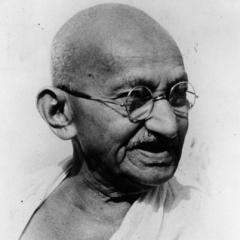
Mahatma Gandhi
A leader of the Indian independence movement, lawyer, politician, and social activist, Mahatma Gandhi is revered as the 'Father of the Nation'. He advocated for non-violence and unity between Hindus and Muslims, leading the Indian struggle for independence and profoundly influencing history both in India and around the world. more
You May Also Like
Source: Social and Foreign Affairs in Iraq (Routledge Revivals)
“It is wrong and immoral to seek to escape the consequences of one's acts.”
Source: The Essential Writings
Source: He Follows Christ
“But no one has a right to coerce others to act according to his own view of truth.”
Source: All Men Are Brothers
“You create your own universe as you go along.”
Source: My Early Life: 1874-1904
Source: American Pastoral
“We are all shitty little snowflakes dancing in the universe.”
Source: Me of Little Faith
“True forgiveness is when you can say, "Thank you for that experience.”