Quotessence
Home / Quotes / Quote by Mary Pipher

Quote by Mary Pipher

“If there's a therapist who wants a writing project, I think there's a need for a book about how the culture affects the mental health of boys.”

Quote by Mary Pipher

Author
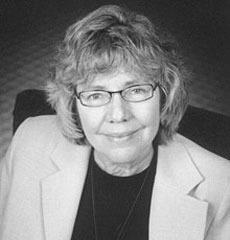
Mary Pipher
Mary Pipher

Mary Pipher is an American psychologist known for her in-depth research on adolescent mental health. Her books, such as 'Reviving Ophelia' and 'Reading Mother Goose', delve into the psychological world and growth experiences of adolescents. more

You May Also Like

“Throughout my childhood, I had served as an interpreter for my family. When I left home, I also left the Deaf community. I'd had enough of being a de facto intermediary and wanted to find my own identity. But, over time, I learned to embrace both cultures and find balance between them. I love my Deaf and CODA family and hope they would be proud to call me one of their own.”

“Being a figurehead for those with family members in prison is somewhat new for me. Something I've discovered since my father's incarceration is that the prison system is broken. My first-hand experiences have taught me that reform needs to happen sooner than later. I'm most interested in mentoring children with parents in prison. When a parent is sentenced to a jail term, the child is sentenced to the same time to be spent without a mother or father. No child should suffer a stigma or lack support and guidance because of the sins of a parent.”

“For ten years, I wrote regular columns about science for women's magazines, and to my knowledge I'm the only person in the world who can say that. This has no kudos in either the science-writing world or the academic world, but it's one of the most challenging things I've ever done. It's much harder to write about cosmology for a magazine like Vogue than for the New York Times, which I've also written for, because you have to imagine that on the page opposite there'll be an advertisement for eyeliner, or an article about the latest trends in skirt length.”

“I don't know of any science writing going on in women's magazines, unless you count medical stories about things like breast cancer. I still think there's a huge problem about how we can actively engage a wider range of women. I'm not saying women must be a separate audience - I'm just responding to the reality that the majority of people who do read science magazines are male. That's not a value judgment; it's a statistical fact.”