“To see helpless infancy stretching out her hands, and pouring out her cries in testimony of dependence, without any powers to alarm jealousy, or any guilt to alienate affection, must surely awaken tenderness in every human mind; and tenderness once excited will be hourly increased by the natural contagion of felicity, by the repercussion of communicated pleasure, by the consciousness of dignity of benefaction.”
Quote by Samuel Johnson
Work
The Works of Samuel Johnson, LL.D.: With An Essay on His Life and Genius
This volume encompasses a wide array of Samuel Johnson's literary works, showcasing his contributions to English literature. It includes his famous dictionary, essays, and other writings, along with an insightful essay that delves into his life and the influence of his genius on the literary world. more
Author
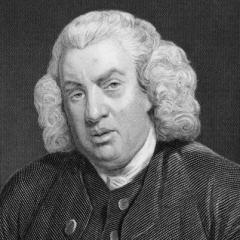
Samuel Johnson
Samuel Johnson was an English writer, poet, and lexicographer, renowned for his comprehensive English dictionary, 'A Dictionary of the English Language', published in 1755. His distinctive writing style and wit have cemented his place as a significant figure in the history of English literature. more
You May Also Like
Source: The life of Samuel Johnson, LL. D., comprehending an account of his studies, and numerous works, in chronological order: a series of his epistolary correspondence and conversations with many eminent persons; and various original pieces of his composition, never before published; the whole exhibiting a view of literature and literary men in Great Britain, for near half a century during which he flourished
Source: The works of Samuel Johnson
Source: The history of Rasselas, prince of Abyssinia, a tale
Source: Harbours of Memory
Source: Harbours of Memory
Source: Harbours of Memory
Source: Casuals of the Sea: The Voyage of a Soul