“In recognizing that words have power to define and to compel, the semanticists are actually testifying to the philosophic quality of language which is the source of their vexation. In an attempt to get rid of that quality, they are looking for some neutral means which will be a nonconductor of the current called "emotion" and its concomitant of evaluation.”
Quote by Richard M. Weaver
Work
Ideas Have Consequences: Expanded Edition
This book delves into the profound influence of various philosophical concepts on the development of society and culture, offering an in-depth analysis of their historical and contemporary significance. more
Author
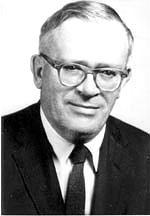
Richard M. Weaver
Richard M. Weaver was an influential American philosopher, born on March 3, 1910, and died on April 1, 1963. He is known for his profound insights into language, culture, and political philosophy, particularly for his work 'The Language of Art', which explored the nature of language and its relationship to reality. more
You May Also Like
Source: Ideas Have Consequences
Source: The Ethics of Rhetoric
“Neuter discourse is a false idol.”
Source: The Ethics of Rhetoric
Source: The Ethics of Rhetoric
Source: Life without prejudice, and other essays
Source: Life Without Prejudice: And Other Essays
Source: Life without prejudice, and other essays
Source: Ideas Have Consequences: Expanded Edition