“The division of the psychical into what is conscious and what is unconscious is the fundamental premise of psycho-analysis; and it alone makes it possible for psycho-analysis to understand the pathological processes in mental life, which are as common as they are important, and to find a place for them in the framework of science.”
Quote by Sigmund Freud
Work
The standard edition of the complete psychological works of Sigmund Freud
This book is a seminal work in the field of psychology, compiling the extensive writings of Sigmund Freud, a pioneer in the development of psychoanalysis. It includes his seminal theories on the unconscious mind, dreams, and the structure of the psyche. more
Author
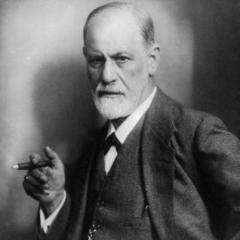
Sigmund Freud
Sigmund Freud, born on May 6, 1856, in Moravia, and died on September 23, 1939, in London, was an Austrian neurologist and the founder of psychoanalysis. Known as the father of modern psychology, Freud made significant contributions to the understanding of human psychology, introducing concepts such as the unconscious mind, dream analysis, and sexual theory. more
You May Also Like
Source: The standard edition of the complete psychological works of Sigmund Freud
Source: Major Works
Source: The standard edition of the complete psychological works of Sigmund Freud
Source: The standard edition of the complete psychological works of Sigmund Freud
Source: The standard edition of the complete psychological works of Sigmund Freud
Source: The standard edition of the complete psychological works of Sigmund Freud
Source: The standard edition of the complete psychological works of Sigmund Freud
Source: The standard edition of the complete psychological works of Sigmund Freud
Source: The standard edition of the complete psychological works of Sigmund Freud
Source: Beyond the Pleasure Principle