“You watched and you saw what happened and in the accumulation of episodes you saw the pattern: Daddy ruled the roost, called the shots, made the money, made the decisions, so you signed up on his side, and fifteen years later when the women's movement came along with its incendiary manifestos telling you to avoid marriage and motherhood, it was as if somebody put a match to a pile of dry kindling.”
Quote by Anne Taylor Fleming
Work
Motherhood Deferred: A Woman's Journey
This book delves into the emotional and societal challenges faced by women who choose to delay motherhood, offering insights into their personal journeys and the broader implications of this decision. more
Author
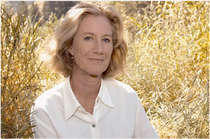
Anne Taylor Fleming
Limited information is available about Anne Taylor Fleming, whose profession and category are unknown. Details about her life experience, achievements, and impact are not available. more
You May Also Like
Source: Motherhood Deferred: A Woman's Journey
Source: Motherhood Deferred: A Woman's Journey
Source: A Leak in the Heart: Tales from a Woman's Life
Source: And the Bridge Is Love
Source: A Leak in the Heart: Tales from a Woman's Life
Source: A Leak in the Heart: Tales from a Woman's Life
“Nothing is eternal but that which is done for God and others. That which is done for self dies.”
“God strikes not as an enemy, to destroy; but as a father, to correct.”