“The cramped monotony of my existence grinds me away by the grain.”
Quote by Charles Dickens
Work
The Mystery of Edwin Drood
Charles Dickens' final novel, The Mystery of Edwin Drood, is a complex and enigmatic work that explores themes of intrigue, romance, and moral ambiguity. The story revolves around the mysterious disappearance of the titular character, Edwin Drood, and the subsequent investigation into his fate. Despite its unfinished state, the novel has captivated readers with its intricate plot and richly developed characters. more
Author
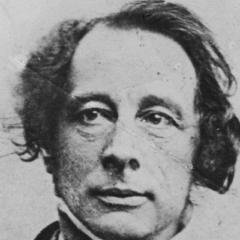
Charles Dickens
Charles Dickens, a British writer born on February 7, 1812, and died on June 9, 1870, is one of the greatest novelists of the 19th century. Known for his profound social criticism and vivid narrative style, Dickens' works extensively cover social reality, revealing various issues in the British society of the time. more
You May Also Like
Source: Four Novels: Great Expectations, David Copperfield, A Tale of Two Cities, and Hard Times
Source: Delphi Complete Works of Charles Dickens (Illustrated)
Source: The Life and Adventures of Nicholas Nickleby ... With a Frontispiece from a Painting by T. Webster
Source: The Works of Charles Dickens
Source: Our Mutual Friend
Source: Charles Dickens's works. Charles Dickens ed. [18 vols. of a 21 vol. set. Wanting A child's history of England; Christmas stories; The mystery of Edwin Drood].
Source: Charles Dickens's works. Charles Dickens ed. [18 vols. of a 21 vol. set. Wanting A child's history of England; Christmas stories; The mystery of Edwin Drood].
Source: Charles Dickens's works. Charles Dickens ed. [18 vols. of a 21 vol. set. Wanting A child's history of England; Christmas stories; The mystery of Edwin Drood].
Source: Dombey and Son ... With frontispiece by H. K. Browne
Source: Christmas Stories from