“A brisk, bright, blue-eyed fellow, a very neat figure and rather under the middle size, never out of the way and never in it.”
Quote by Charles Dickens
Work
Christmas Stories from
This book compiles a variety of short stories centered around the Christmas holiday, offering readers a mix of festive tales and seasonal narratives. more
Author
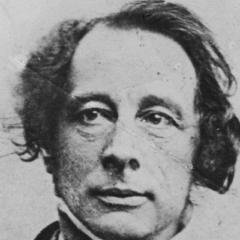
Charles Dickens
Charles Dickens, a British writer born on February 7, 1812, and died on June 9, 1870, is one of the greatest novelists of the 19th century. Known for his profound social criticism and vivid narrative style, Dickens' works extensively cover social reality, revealing various issues in the British society of the time. more
You May Also Like
Source: Charles Dickens's works. Charles Dickens ed. [18 vols. of a 21 vol. set. Wanting A child's history of England; Christmas stories; The mystery of Edwin Drood].
Source: Dickens Ultimate Christmas Collection: The Greatest Stories & Novels for Christmas Time: A Christmas Carol, Doctor Marigold, Oliver Twist, Tom Tiddler's Ground, The Holly-Tree and more (Illustrated): The Best Loved Christmas Classics in One Volume
Source: The Complete Novels of Charles Dickens: 20 Illustrated Classics in One Volume: Oliver Twist, The Pickwick Papers, Hard Times, A Tale of Two Cities, Great Expectations, Nicholas Nickleby, The Old Curiosity Shop, Barnaby Rudge, Martin Chuzzlewit, Dombey and Son, David Copperfield…
Source: Charles Dickens's works. Charles Dickens ed. [18 vols. of a 21 vol. set. Wanting A child's history of England; Christmas stories; The mystery of Edwin Drood].
Source: Novels
Source: Works of Charles Dickens
Source: Tale of Two Cities
Source: Charles Dickens's works. Charles Dickens ed. [18 vols. of a 21 vol. set. Wanting A child's history of England; Christmas stories; The mystery of Edwin Drood].
Source: Charles Dickens's works. Charles Dickens ed. [18 vols. of a 21 vol. set. Wanting A child's history of England; Christmas stories; The mystery of Edwin Drood].
Source: Charles Dickens's works. Charles Dickens ed. [18 vols. of a 21 vol. set. Wanting A child's history of England; Christmas stories; The mystery of Edwin Drood].