“The physician heals, Nature makes well.”
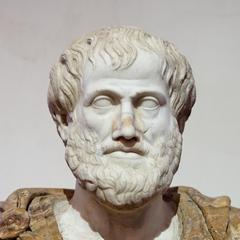
Quote by Aristotle
Work
Wit and Wisdom of Socrates, Plato, Aristotle: Being a Treasury of Thousands of Glorious, Inspiring and Imperishable Thoughts, Views and Observations of the Three Great Greek Philosophers, Classified Under about Four Hundred Subjects for Comparative Study
This book is a curated compilation of the notable ideas and teachings of Socrates, Plato, and Aristotle. It includes a vast array of their philosophical musings, categorized into around four hundred distinct subjects. The aim is to facilitate a comparative study of the intellectual contributions of these three influential Greek philosophers, offering readers a deeper understanding of their work and its relevance across various disciplines. more
Author
You May Also Like
“A man should carry nature in his head.”
Source: The Later Lectures of Ralph Waldo Emerson, 1843-1871
Source: Biographical memoir. Illustrations of the Huttonian theory of the earth
Source: A complete guide to the Lakes, comprising minute directions for the tourist, with mr. Wordsworth's Description of the scenery of the country, &c. and Three letters upon the geology of the Lake district, by prof. Sedgwick
“But nature flies from the infinite; for the infinite is imperfect, and nature always seeks an end.”
Source: Complete Works of Aristotle, Volume 1: The Revised Oxford Translation
Source: The Works of Abraham Cowley: With a Preface, Biographical and Critical by Samuel Johnson