“Eloquence, when in its highest pitch, leaves little room for reason or reflection.”
Quote by David Hume
Work
The Philosophical Works: Including All the Essays, and Exhibiting the More Important Alterations and Corrections in the Successive Ed. Publ. by the Author
This book is a compilation of philosophical writings, featuring the author's essays and highlighting the major changes and improvements made throughout different editions of the work. more
Author
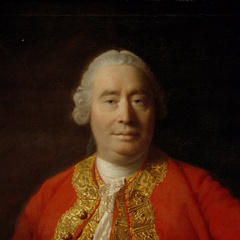
David Hume
David Hume, born on May 7, 1711, in Edinburgh, Scotland, and died on August 25, 1776, was an outstanding philosopher, historian, and economist. Known for his contributions to empiricism and skepticism, his works have had a profound impact on subsequent philosophy, economics, and psychology. more
You May Also Like
Source: An Enquiry Concerning the Principles of Morals
Source: Essays, moral, political, and literary
Source: Moral Philosophy
Source: The philosophical works of David Hume
“Great pleasures are much less frequent than great pains.”
Source: Essays and treatises on several subjects: essays, moral, political and literary
Source: Essays and Treatises on Several Subjects
Source: The Philosophical Works of David Hume: Including All the Essays, and Exhibiting the More Important Alterations and Corrections in the Successive Editions Pub. by the Author
Source: Essays and treatises on several subjects in two volumes: Essays, moral, political, and literacy
Source: Essays Moral, Political, Literary: Revision of Great Book