“That’s when I realized that I really loved you.” She sat down on the floor with me. She spoke quiet. “Charlie, don’t you get it? I can’t feel that. It’s sweet and everything, but it’s like you’re not even there sometimes. It’s great that you can listen and be a shoulder to someone, but what about when someone doesn’t need a shoulder. What if they need the arms or something like that? You can’t just sit there and put everybody’s lives ahead of yours and think that counts as love. You just can’t. You have to do things.”
Quote by Stephen Chbosky
Work
The Perks of Being a Wallflower
Charlie, the protagonist, navigates the complexities of high school life, dealing with issues such as bullying, family dynamics, and the onset of first love. The story is told through a series of letters, offering a candid and introspective look into Charlie's journey as he discovers the world around him and his own place within it. more
Author
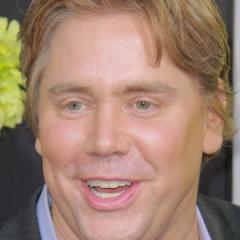
Stephen Chbosky
Stephen Chbosky, born on January 25, 1970, is an acclaimed American novelist known for his profound psychological portrayals and unique narrative style. His works, such as 'Wonder', have gained widespread popularity and critical acclaim. more
You May Also Like
Source: Daily Drive 365
Source: The Serving Leader: Five Powerful Actions to Transform Your Team, Business, and Community
“Your career is what fills your resume; your vocation is what fills your eulogy.”
“Everybody gets a participation trophy when equality of outcome replaces equality of opportunity.”
Source: Climate: A New Story
Source: Beyond Freedom and Dignity
Source: Teaching Character Education through Literature
Source: On Encounter Groups
Source: The Circle