“Se non si ha la propria terra sotto i piedi - anche questo però deve essere sperimentato per essere compreso - ci si tiene meno diritti, si perde sicurezza, si diventa diffidenti verso se stessi. Non esito a confessare che dal giorno in cui dovetti vivere con documenti o con passaporti effettivamente stranieri non mi sono più sentito completamente legato a me stesso. È rimasta per sempre distrutta una parte della mia naturale identità con il mio io originario. Sono divenuto molto più riservato di quanto sia nella mia indole; io, il cosmopolita di un giorno, ho oggi incessantemente l’impressione di dover render grazie per ogni boccata d’aria che respirando tolgo a un altro popolo. Si capisce che a mente lucida riconosco l’assurdità di simili fisime, ma quando mai la ragione può qualcosa contro un sentimento istintivo? Poco mi è servito avere educato per quasi mezzo secolo il mio cuore a battere da cosmopolita, da citoyen du monde: il giorno in cui perdetti il mio passaporto, scopersi a cinquantott’anni che perdendo la patria si perde ben più che un circoscritto pezzo di terra.”
Quote by Stefan Zweig
Work
The World of Yesterday
Browse quotes and source details for this work. more
Author
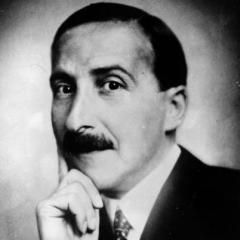
Stefan Zweig
Stefan Zweig, born on November 28, 1881 in Vienna, was an Austrian novelist, playwright, and biographer. Known for his profound psychological insights and unique narrative style, he is a significant figure in European literature at the beginning of the 20th century. more
You May Also Like
Source: They Loved in 2075!
Source: Baal Babilonia
“la patria es eso que se muda contigo.”
Source: Tiempo muerto
Source: Amando ao Inimigo
Source: Farewell Waltz
Source: Biografía para encontrarme
Source: Los recuerdos del porvenir
Source: El primer hombre - Planeta lector
Source: The Autumn of the Patriarch
“Cuando la patria se prostituye, los políticos se vuelven hijos bastardos.”