“We must use a good deal of economy in our wood, never cutting down new, where we can make the old do.”
Quote by Thomas Jefferson
Author
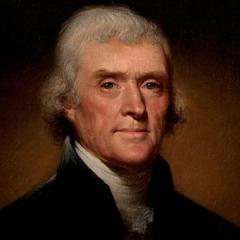
Thomas Jefferson
Thomas Jefferson was the third President of the United States, a distinguished politician, philosopher, architect, and scientist. He was born on April 13, 1743, and died on July 4, 1826. Jefferson advocated for democracy and freedom in politics and was one of the main authors of the Declaration of Independence. His political ideas had a profound impact on the founding and development of the United States. more
You May Also Like
Source: Correspondence
Source: Memoirs, 2: Correspondence and Private Papers
“When earth is rich it bids defiance to droughts, yields in abundance and of the best quality.”
Source: The writings of Thomas Jefferson: being his autobiography, correspondence, reports, messages, addresses, and other writings, official and private : published by the order of the Joint Committee of Congress on the Library, from the original manuscripts, deposited in the Department of State
Source: The Writings of Thomas Jefferson: Correspondence, contin
Source: The writings of Thomas Jefferson: being his autobiography, correspondence, reports, messages, addresses, and other writings, official and private
Source: The Works of Thomas Jefferson: Correspondence and Papers, 1816-1826