“I hope we shall . . . crush in [its] birth the aristocracy of our monied corporations.”
Quote by Thomas Jefferson
Work
The Works of Thomas Jefferson: Correspondence and Papers, 1816-1826
The Works of Thomas Jefferson: Correspondence and Papers, 1816-1826 is a compilation of letters and documents written by Thomas Jefferson during the latter part of his life. It provides insight into his political views, personal relationships, and the broader historical context of the early 19th century in the United States. The volume includes a range of correspondence with various individuals, including government officials, family members, and foreign dignitaries, offering a comprehensive view of Jefferson's activities and thoughts during this period. more
Author
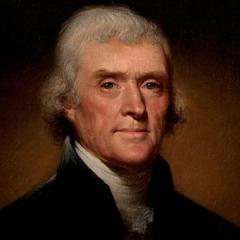
Thomas Jefferson
Thomas Jefferson was the third President of the United States, a distinguished politician, philosopher, architect, and scientist. He was born on April 13, 1743, and died on July 4, 1826. Jefferson advocated for democracy and freedom in politics and was one of the main authors of the Declaration of Independence. His political ideas had a profound impact on the founding and development of the United States. more
You May Also Like
“It [concentration of wealth and power] has been a menace to . . . American democracy.”
Source: War on the Middle Class: How the Government, Big Business, and Special Interest Groups Are Waging War ont he American Dream and How to Fight Back
Source: War on the Middle Class: How the Government, Big Business, and Special Interest Groups Are Waging War ont he American Dream and How to Fight Back
Source: Search for the beloved community: the thinking of Martin Luther King, Jr
Source: Philosophical Essays: On Morals, Literature, and Politics