Quotessence
Home / Quotes / Quote by Dorotheus of Gaza

Quote by Dorotheus of Gaza

“Who hated sin more than the saints? But they did not hate the sinners at the same time, nor condemn them, nor turn away from them. But they suffered with them, admonished them, comforted them. gave them remedies as sickly members, and did all they could to heal them.”

Quote by Dorotheus of Gaza

Work

Discourses and Sayings

This book compiles a series of discourses and sayings that explore various philosophical and moral concepts, offering insights into the thoughts and wisdom of the author. more

Author
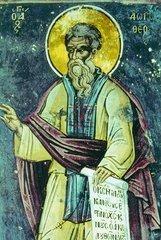
Dorotheus of Gaza
Dorotheus of Gaza

Dorotheus of Gaza (505-565 AD) was an influential Christian theologian and abbot. His life and achievements are shrouded in some mystery, but his writings hold significant importance in the field of Christian theology. more

You May Also Like

“No one who lies is linked to God. God is the truth. He says, 'I am the Way, the Truth and the Life' (Jn. 14:6). See how we sort ourselves out and what position we take up through lying ? clearly on the side of the evil one. If, therefore, we want to be saved, we must with all our hearts love the Truth and guard ourselves from every kind of falsehood so that we may not be separated from truth and from life.”

“By accepting a suspicion against the neighbor, by saying, 'What does it matter if I put in a word about my suspicion? What does it matter if I find out what my brother is saying or what a guest is doing?' the mind begins to forget about its own sins and to talk idly about his neighbor, speaking evil against him, despising him, and from this he falls into the very thing he condemns. Because we become careless about our own faults and do not lament our own death, we lose the power to correct ourselves and we are always at work on our neighbor.”

“When the devil looks at a man who sincerely desires not to sin, he is not so unintelligent as to suggest to him (as he would to a hardened sinner) that he go and commit fornication or go and steal. He knows we do not want that and he does not set out to tell us something we do not want to hear; but he finds out that little bit of self-will or self-righteousness and through that, with the appearance of well doing, he will do us harm.”