“... the happiness of a people is the only rational object of government, and the only object for which a people, free to choose, can have a government at all.”
Quote by Frances Wright
Work
Course of popular lectures; with 3 addresses on various public occasions, and a reply to the charges against the French reformers of 1789
This book is a compilation of lectures and speeches that cover a range of public topics. It includes three specific addresses given on different public occasions and a detailed reply to the charges leveled against French reformers during the significant year of 1789. more
Author
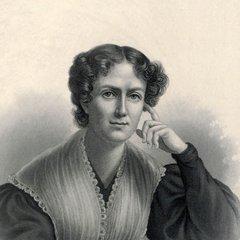
Frances Wright
Frances Wright was an American writer and social reformer, born on September 6, 1795, and died on December 13, 1852. She is known for her advocacy of women's rights, abolition of slavery, and socialist ideas. more
You May Also Like
Source: Course of popular lectures
Source: Views of society and manners in America: in a series of letters from that country to a friend in England, during the years 1818, 1819, and 1820
Source: Course of popular lectures
Source: Course of popular lectures as delivered by Frances Wright: with three addresses on various public occasions, and a reply to the charges against the French reformers of 1789. Second edition
Source: Course of popular lectures; with 3 addresses on various public occasions, and a reply to the charges against the French reformers of 1789
Source: Views of society and manners in America: in a series of letters from that country to a friend in England, during the years 1818, 1819, and 1820
Source: Views of society and manners in America: in a series of letters from that country to a friend in England, during the years 1818, 1819, and 1820