Quotessence
Home / Quotes / Quote by Aristotle

Quote by Aristotle

“There is nothing grand or noble in having the use of a slave, in so far as he is a slave; or in issuing commands about necessary things. But it is an error to suppose that every sort of rule is despotic like that of a master over slaves, for there is as great a difference between the rule over freemen and the rule over slaves as there is between slavery by nature and freedom by nature . .”

Quote by Aristotle

Work

Politics

This book delves into the fundamental principles and practices of politics, examining various political systems and ideologies across different historical periods and cultures. more

Author

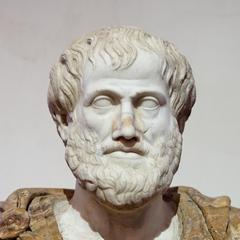
Aristotle
Aristotle

Aristotle, a renowned Greek philosopher, is one of the founders of Western philosophy. His thoughts covered a wide range of fields, including ethics, logic, politics, and had a profound impact on the world. more

You May Also Like

“Some things the legislator must find ready to his hand in a state, others he must provide. And therefore we can only say: May our state be constituted in such a manner as to be blessed with the goods of which fortune disposes (for we acknowledge her power): whereas virtue and goodness in the state are not a matter of chance but the result of knowledge and purpose. A city can be virtuous only when the citizens who have a share in the government are virtuous, and in our state all the citizens share in the government.”

“Neither should men study war with a view to the enslavement of those who do not deserve to be enslaved; but first of all they should provide against their own enslavement, and in the second place obtain empire for the good of the governed, and not for the sake of exercising a general despotism, and in the third place they should seek to be masters only over those who deserve to be slaves.”

“Now if there is any gift of the gods to men, it is reasonable that happiness should be god-given, and most surely god-given of all human things inasmuch as it is the best. But this question would perhaps be more appropriate to another inquiry; happiness seems, however, even if it is not god-sent but comes as a result of virtue and some process of learning and training, to be among the most god-like things; for that which is the prize and end of virtue seems to be the best thing in the world, and something god-like and blessed.”