Quotessence
Home / Quotes / Quote by Ouida

Quote by Ouida

Work

Wisdom, Wit and Pathos of Ouida

This compilation includes a variety of narratives and reflections that delve into the complexities of human emotions and the intricacies of life, reflecting Ouida's celebrated prose and her exploration of profound themes through engaging storytelling. more

Author
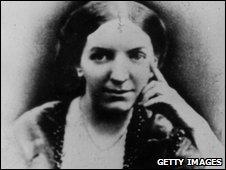
Ouida
Ouida

Ouida, born Mary Catherine Hale, was a renowned 19th-century British novelist. Known for her portrayal of women's emotional lives and romantic adventures, her works have been beloved by readers. Ouida's writing style is unique and elegant, leaving a profound impact on literature. more

You May Also Like

“A man may be a great statesman, and yet dislike his wife, and like somebody else's. A man may be a great hero, and yet he may have an unseemly passion, or an unpaid tailor. But the British public does not understand this. ... It thinks, unhappily or happily as you may choose to consider, that genius should keep the whole ten commandments. Now, genius is conspicuous for breaking them.”

“the State only aims at instilling those qualities in its public by which its demands are obeyed, and its exchequer is filled. Its highest attainment is the reduction of mankind to clockwork. In its atmosphere all those finer and more delicate liberties, which require treatment and spacious expansion, inevitably dry up and perish. The State requires a taxpaying machine in which there is no hitch, an exchequer in which there is never a deficit, and a public, monotonous, obedient, colorless, spiritless, moving humbly like a flock of sheep along a straight high road between two walls.”

“[On Christianity:] Its lip-service and its empty rites have made it the easiest of all tasks for the usurer to cloak his cruelties, the miser to hide his avarice, the lawyer to condone his lies, the sinner of all social sins to purchase the social immunity from them by outward deference to churches.”

“The Christian religion, outwardly and even in intention humble, does, without meaning it, teach man to regard himself as the most important of all created things. Man surveys the starry heavens and hears with his ears of the plurality of worlds; yet his religion bids him believe that his alone out of these innumerable spheres is the object of his master's love and sacrifice.”