“Three things prompt men to a regular discharge of their duty in time of action: natural bravery, hope of reward, and fear of punishment.”
Quote by George Washington
Work
Maxims of Washington: Political, Social, Moral, and Religious
This book compiles the political, social, moral, and religious maxims of George Washington, offering a glimpse into the principles and values that guided his leadership and personal life. more
Author
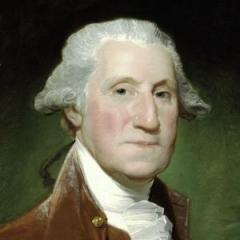
George Washington
George Washington was the first President of the United States and a key figure in the American Revolutionary War. Born on February 22, 1732, and died on December 14, 1799, Washington is known for his strong leadership and belief in democracy, playing a crucial role in American history. more
You May Also Like
Source: Letters and Addresses,
Source: Words of Washington
Source: Official Letters to the Honorable American Congress,: Written, During the War Between the United Colonies and Great Britain, by His Excellency, George Washington, Commander in Chief of the Continental Forces, Now President of the United States
Source: The Writings of George Washington: Being His Correspondence, Addresses, Messages, and Other Papers, Official and Private, Selected and Published from the Original Manuscripts
Source: The writings of George Washington from the original manuscript sources, 1745-1799
Source: Correspondence and miscellaneous papers relating to the American revolution. June, 1775, to July, 1776 (v. 3); July, 1776, to July, 1777 (v. 4); July, 1777, to July, 1778 (v. 5); July, 1778, to March, 1780 (v. 6); March, 1780, to April, 1781 (v. 7); April, 1781, to December, 1783 (v. 8)
Source: Correspondence and miscellaneous papers relating to the American revolution. June, 1775, to July, 1776 (v. 3); July, 1776, to July, 1777 (v. 4); July, 1777, to July, 1778 (v. 5); July, 1778, to March, 1780 (v. 6); March, 1780, to April, 1781 (v. 7); April, 1781, to December, 1783 (v. 8)
Source: The Life of General Washington: First President of the United States
Source: The writings of George Washington from the original manuscript sources, 1745-1799