Quotessence
Home / Quotes / Quote by Italo Calvino

Quote by Italo Calvino

Work

Il cavaliere inesistente

Browse quotes and source details for this work. more

Author
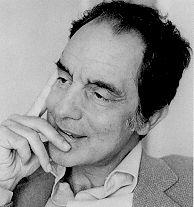
Italo Calvino
Italo Calvino

Italian writer and journalist, known for his unique narrative style and rich imagination. Calvino is considered one of the greatest writers of the 20th century, whose works have had a profound impact on literature both in Italy and around the world. more

You May Also Like

“[Bóg] jest gnozą, i daje wiedzę. Dlatego jego towarzyszka zostaje mu wysłana, a on opuszcza swego ojca i swą matkę. Nasza siostra Sophia, jest tą, która zstąpiła w niewinności, aby naprawić swój błąd. Dlatego została nazwana „Życie” („Zoe”), to znaczy matka żyjących przez Pronoia absolutnej władzy niebios, przez Epinoię, która się objawiła jemu. Przez nią zakosztowali [Adam i Ewa] doskonałej gnozy (gnosis teleios). Bo jej [Sofii] partner nie przyszedł do niej (sam od siebie), ale przyszedł do niej przez Pełnię (pleroma), po to, aby móc naprawić jej brak.”

“In a matter of a moment the amount of sand in the upper part of the hour-glass had dwindled dramatically, the tiny grains were rushing through the opening, each grain more eager to leave then the last, time is just like people, sometimes it’s all it can do to drag itself along, but at others, it runs like a deer and leaps like a young goat, which, when you think about it, is not saying much, since the cheetah is the fastest of all the animals, and yet it has never occurred to anyone to say of another person He runs and jumps like a cheetah, perhaps because that first comparison comes from the magical late middle ages, when gentlemen went deer-hunting and no one had ever seen a cheetah running or even heard of its existence. Languages are conservative, they always carry their archives with them and hate having to be updated.”

“Whenever you touch topaz, it touches you. It awakens a gentle fire, like wine awakens in grapes. Still unborn, clear wine seeks channels amidst stone, demands words, bestows its secret nourishment, shares out the kiss of human skin. The touch of stone and man in serene peace kindles garlands of fleeting flowers, which then return to prime sources: flesh and stone: contrary elements. (Translation, Beatriz von Eidlitz)”