Quotessence
Home / Quotes / Quote by Ovid

Quote by Ovid

Work

Ovid's Metamorphoses

This influential work of classical literature presents a collection of myths in which gods, mortals, and mythological figures undergo dramatic changes in form. The poem traces the history of the world from its creation through the age of Julius Caesar, weaving together hundreds of separate tales into a unified narrative structure. Ovid's poetic treatment of these ancient stories has profoundly shaped Western literature and art throughout the centuries, influencing countless writers, painters, and sculptors who have drawn upon its vivid depictions of mythological transformation. more
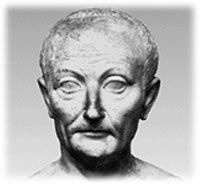
Author

Ovid
Ovid

Ovid, born on March 20, 43 BC and died in 1 BC, was a renowned Roman poet of the ancient world. His works are diverse, including love poems, mythological poems, and satirical poems, with 'Metamorphoses' being his most famous work. more

You May Also Like

“How many may a man of diffusive conversation count among his acquaintances, whose lives have been signalized by numberless escapes; who never cross the river but in a storm, or take a journey into the country without more adventures than befel the knights-errant of ancient times in pathless forests or enchanted castles! How many must he know, to whom portents and prodigies are of daily occurrence; and for whom nature is hourly working wonders invisible to every other eye, only to supply them with subjects of conversation?”

“Many useful and valuable books lie buried in shops and libraries, unknown and unexamined, unless some lucky compiler opens them by chance, and finds an easy spoil of wit and learning.”

“I fancy mankind may come, in time, to write all aphoristically, except in narrative; grow weary of preparation, and connection, and illustration, and all those arts by which a big book is made.”

“When I first collected these authorities, I was desirous that every quotation should be useful to some other end than the illustration of a word; I therefore extracted from philosophers principles of science; from historians remarkable facts; from chymists complete processes; from divines striking exhortations; and from poets beautiful descriptions.”