“The reveries of youth, in which so much energy is wasted, are the yearnings of a Spirit made for what it has not found but must forever seek as an Ideal”
Quote by William Ellery Channing
Work
The complete works of W.E. Channing
This compilation gathers the published sermons, essays, and theological writings of William Ellery Channing, who became one of the leading voices of American Unitarianism. Channing gained national attention through his 1819 sermon at the ordination of Jared Sparks, which articulated key Unitarian principles in contrast to orthodox Calvinism and helped define a distinct liberal Christian movement in the United States. His writings address topics including the nature of God, the character of Jesus, human moral capacity, the authority of scripture, and the role of reason in religion. Channing was also an advocate for social reform, and his works include statements on temperance, peace, and the abolition of slavery. The collection reflects the intellectual and religious climate of New England during the period of theological transition known as the Unitarian Controversy, and it preserves the arguments that shaped a significant strand of American religious thought. more
Author
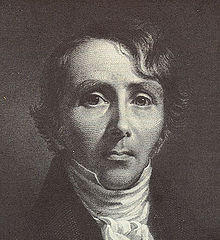
William Ellery Channing
William Ellery Channing was an American preacher and theologian, born on April 7, 1780, and died on October 2, 1842. He played a significant role in the American religious reform movement and is known for his contributions to liberal theology. more
You May Also Like
Source: The Liberal Gospel: As Set Forth in the Writings of William Ellery Channing
Source: The Works of William E. Channing
Source: Meditations
“It is true that I must run a great risk; no gallant action was ever accomplished without danger.”
“Where men of fine feeling are concerned there is seldom misunderstanding.”