“The body is the soul's poor house or home, whose ribs the laths are and whose flesh the loam.”
Quote by Robert Herrick
Work
Hesperides; or, Works both human and divine
This volume presents a collection of writings that examine the relationship between human experience and divine or spiritual subjects. The title draws upon the classical Greek myth of the Hesperides, the nymphs who guarded the golden apples in a mythical garden, evoking imagery of poetic beauty and timeless wonder. The work appears to encompass both secular and sacred themes, weaving together reflections on mortal concerns with explorations of the transcendent or divine. As suggested by the title's phrasing of "works both human and divine," the collection likely contains diverse pieces that address the full spectrum of human emotion and spiritual contemplation, potentially through poetry, prose, or mixed literary forms. more
Author
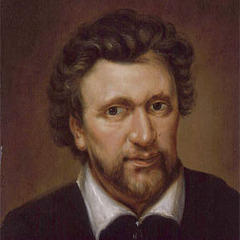
Robert Herrick
Robert Herrick was an English poet, born on August 24, 1591, and died on October 15, 1674. His poetry is known for its concise and lively style, and has been widely appreciated by later generations. more
You May Also Like
Source: A Complicated Kindness: A Novel
Source: A Complicated Kindness: A Novel
“But love, like a mushroom high compared with the buzz from cheap weed, outlasts grief.”
Source: A Complicated Kindness
“It's raining questions around here. A person could drown in them.”
Source: A Complicated Kindness
Source: All My Puny Sorrows
“Whatever you say, say nothing.”
Source: TransAtlantic
“It was a silence that heard itself, awful and beautiful.”
Source: Let The Great World Spin
“Téa Obreht is the most thrilling literary discovery in years”