Quotessence
Home / Quotes / Quote by Jules Feiffer

Quote by Jules Feiffer

“And all the things I thought were mistakes and I did cartoons on them. And then I think I was the first cartoonist in the country to attack the war in Viet Nam and that helped influence a whole generation of young cartoonists who later on took up the battle. And that was exciting to know that I had helped influence work of young people who were moving this forum into a better and more exciting area, out of the more by the state that political cartooning had been in.”

Quote by Jules Feiffer

Author
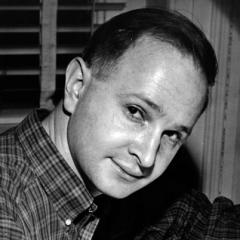
Jules Feiffer
Jules Feiffer

Jules Feiffer, born on January 26, 1929, is an American cartoonist, screenwriter, and author. His work is known for its sharp social commentary and unique sense of humor, particularly his long-running comic strip 'Benny and the Jets' in The New Yorker magazine. more

You May Also Like

“Whether these were liberal publications or conservative publications, whether they were mainstream or slightly to the side of the mainstream; out of the mainstream, they all believed that they had the right to tell you how to stylize yourself. And from the New York Times to the much more left-winged nation. And The Voice said, no, whatever you want to. You drew whatever you want to, we'll publish it. Nobody was doing that. Nobody does it today. The Voice is no longer that paper, and editorializing is now in the hands of editors, with few exceptions.”

“There's the excitement of adding color, which I didn't know anything about until 1997 or so, when I did my first picture book. So, the kid's book in particular have been exciting for me because it forced me to go back to the work I loved as a young boy reading Sunday's supplements and comics in the Sunday papers when I was six, seven, eight, nine. And number of which have been in wonderful collections, beautifully reproduced.”

“When I am working a book, I go through my library and take a look through some of the great cartoonists of the past, like Cliff Sterrett, who did "Polly and Her Pals," or Winsor McCay who did "A Little Nemo in Slumberland," and Herriman - and I just looked through these guys and looked for somebody to steal. You know, looked for who I could swipe, or turn into - who's work I will turn into my work. And I still use, after all these years, these artists as inspirations. So, here in my eighties, I go back to when I was eight for my inspiration.”

“While I was writing the book, one of my children was diagnosed with dyslexia. Dyslexia is a very tiny word for a wide-ranging neurological condition that affects different people in different ways. But I was reading an awful lot about it, to try and find ways of helping my child. I think a lot of fiction comes from this desire to confront unanswerable questions, and it's heartbreaking to see your child, a bright child, struggling so much with something that others are finding so easy. It's such an assault to the child's self-esteem and, as a mother, it's hard to watch.”

“All the time I was plowing through books on dyslexia, I found myself asking: what if, what if? What if you were a kid the 1950s with this condition, when there were no books on it, when there was no understanding of it. I remember kids in my class at school who just didn't seem to progress in their reading. There was no extra help. People just thought, "Oh, he or she isn't so bright, or they're obstinate."”

“I found it was my good fortune to somehow be able to work in these forms that I loved when I was a kid. I love movies and I could write screenplays. I love theater and I could write plays. I mean, they would be my own, I could never write what was used to be called the well-made play. But my first play, "Little Murders," turned out to be a great success and a great influence on plays at that time.”