“Men have commonly more pleasure in the criticism which hurts than in that which is innocuous, and are more tolerant of the severity which breaks hearts and ruins fortunes than of that which falls impotently on the grave.”
Quote by John Ruskin
Work
pt. I. Of genral principles. pt. II. Of truth. v. 4. pt. v. Of mountain beauty
The book is divided into several parts, each addressing different aspects of knowledge and perception. The first part, 'Of General Principles,' likely sets the foundation for the entire series by discussing fundamental concepts and ideas. The second part, 'Of Truth,' delves into the nature of truth and its role in understanding the world. Volume four, 'Of Mountain Beauty,' specifically examines the aesthetic qualities of mountains, offering insights into the natural world and human appreciation of it. The series as a whole may reflect a broader philosophical inquiry into the nature of existence and the human experience. more
Author
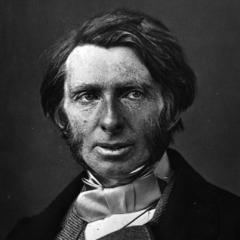
John Ruskin
John Ruskin was an influential British art critic, writer, and social critic. Known for his profound insights into art, architecture, and social issues, he had a significant impact on the aesthetics and culture of the Victorian era. more
You May Also Like
Source: Modern Painters: pt. 6. Of leaf beauty. pt. 7. Of cloud beauty. pt. 8-9. Of ideas of relation: Of invention formal. Of invention spiritual
“No day is without its innocent hope.”
Source: The Crown of Wild Olive
Source: Works
Source: Sesame and Lilies
Source: The Stones of Venice
Source: The seven lamps of architecture
Source: Selections from the Writings of John Ruskin
Source: pt. VI: Of leaf beauty. pt. VII: Of cloud beauty. pts. VIII-IX: Of ideas of relation
Source: Selections from the Writings of John Ruskin