Quotessence
Home / Quotes / Quote by Elbert Hubbard

Quote by Elbert Hubbard

Author

Elbert Hubbard
Elbert Hubbard

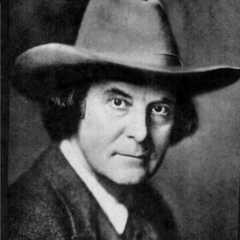
Elbert Hubbard was a prominent writer, publisher, and philosopher. He is best known for his magazine 'The Roycroft Studio' and his autobiography 'My Life and Work'. Hubbard's works emphasized the importance of craftsmanship, simple living, and self-improvement. more

You May Also Like

“There's really no such thing as just Sharia, it's not one monolithic Continuum - Sharia is understood in thousands of different ways over the 1,500 years in which multiple and competing schools of law have tried to construct some kind of civic penal and family law code that would abide by Islamic values and principles, it's understood in many different ways.”

“There are three foundational issues or three divisions that I should say that Sharia fits into, one is penal law of course and that is what gets all the attention, there's two countries in the world right now that actually have a Federal mandate to enact penal law according to the Sharia, that's Saudi Arabia, and Iran.”

“When you say Sharia, even to a Muslim, it's understood in vastly different ways, in many ways it's part of an identity and most Muslims when they talk about wanting Sharia to play a role in their lives really mean it in so far as it talks about family law, you know, issues like, as I said marriage, divorce.”

“In the United States we have all across this country, we have dozens of Halakha courts, in which particularly observant Jews can take these issues of family law to an orthodox Court and have that judge, judge for them. As long as the courts don't violate the laws of the land and as long as there's a room for appeal should one or two parties disagree with the verdict, I don't see how this would have anything to do with being incompatible with what we refer to as Western ideas of democracy.”

“We must recognise - both Muslims and non- Muslims, that the Koran is a text. We need human engagement with that text, so we have to understand that the rulings and the legal rulings are produced are channelled through the human mind, it's an interpretive act of a human being engaging and interacting with a text producing legal results. Because of that it's susceptible to flaws, it is not perfect. Nobody has perfect access to the divine will.”