Quotessence
Home / Quotes / Quote by Sri Aurobindo

Quote by Sri Aurobindo

Work

Savitri: A Legend and a Symbol

This literary work is a retelling of the ancient Indian legend of Savitri, who wins the hand of death for her husband. The poem is rich in symbolism and philosophical depth, offering readers a profound exploration of human emotions and the human condition. more

Author
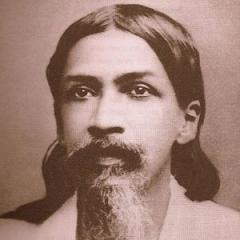
Sri Aurobindo
Sri Aurobindo

Sri Aurobindo, a philosopher, poet, and politician from India, was born on August 15, 1872, and passed away on December 5, 1950. He is renowned for his profound philosophical thoughts and his contributions to the spiritual revival of India. more

You May Also Like

“शादी का खलिहान लड़की मुस्कुराई और बोली: यह सोना क्या है अंगूठी का रहस्य, इस अंगूठी का रहस्य ट्रंक है मैं अपनी उंगली पर बैठा था, इस अंगूठी का रहस्य शर्मीली और इतनी प्यारी क्या है? युवक बहुत हैरान हुआ और बोला: यह अंगूठी भाग्यशाली है, जीवन की अंगूठी है। सभी ने कहा: बधाई हो और अच्छा हो! लड़की ने कहा: काश! मुझे अभी भी संदेह है कि यह उंगली का कारण है। कई साल बीत गए, और एक और रात जल्दी में एक महिला ने सोने की अंगूठी देखी और उनके खूबसूरत डिजाइन में देखा पति की वफादारी की उम्मीद में खोए दिन, दिन के बाद दिन पूरी तरह से बर्बाद हो गया महिला ने फूट-फूट कर रोई: ओह, यह अंगूठी है अभी भी अस्थिर और अस्थिर यह दासता और बंधन है।”

“The next stage is a hornfels, a thoroughly recrystallized rock, so named after its supposed resemblance to animal horn. Hornfels has one rather unexpected quality—when suitably shaped, it can produce beautiful musical notes when struck. Indeed, it took central place in an extraordinary narrative of the English Lake District. An eccentric 18th-century inventor, Peter Crosthwaite—a fighter against Malay pirates in his youth and, later in life, the founder of a museum in the town of Keswick—built a kind of xylophone using hornfels from the local Skiddaw mountain. Half a century later, the Keswick stone-maker and musician Joseph Richardson determined to top Crosthwaite’s achievement, and almost ruined his family financially by building an even bigger instrument, which would produce a larger range of musical notes. Once built, though, it was indeed a sensation. Richardson toured England for three years with his sons, playing Handel, Mozart, and dance tunes on his rock creation—though at times restraining the power of the instrument so it would not shatter concert hall windows. Queen Victoria liked the performances so much that she requested extra concerts (although reports from the time do suggest that she was not amused at its imitation of Alpine bells). The harmonious hornfels ‘lithophones’ may still be seen in the Keswick museum—and are to this day occasionally taken on musical tour.”