“In a world in transition, students and teachers both need to teach themselves one essential skill - learning how to learn.”
Quote by Carl Sagan
Work
The Demon-Haunted World: Science as a Candle in the Dark
In this seminal work, the author delves into the principles of scientific inquiry, critical analysis, and evidence-based reasoning. The book serves as a guide to discerning fact from fiction, advocating for the importance of skepticism and rationality in understanding the natural world. more
Author
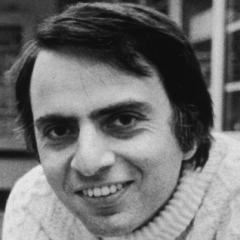
Carl Sagan
Carl Sagan was an American astronomer, cosmologist, author, and science communicator, born on November 9, 1934, in Brooklyn, New York. He is renowned for his profound research into the cosmos and his dedication to popularizing science. Sagan proposed numerous theories about the origin of the universe and life, and he made complex scientific knowledge accessible to the public with his unique perspective and clear, engaging writing style. more
You May Also Like
“No one has seen God, but I have seen your eyes. (Personne n'a vu Dieu, - Mais j'ai vu tes yeux.)”
Source: Lord of the Flies
“-I got the conch!" --Piggy (in Lord of the Flies), attempting Democracy”
Source: The Black Family's Guide to Healing Emotional Wounds
Source: A Clinician's Guide to Healing the Wounds of Racial Trauma: A 12-Session CBT-Based Protocol
Source: Buried Bones
Source: Good Bones
Source: Zen and the Art of Motorcycle Maintenance: An Inquiry Into Values
Source: The Demon-Haunted World: Science as a Candle in the Dark