“Sometimes the way to do what you hope to do will be clear cut, and sometimes it will be almost impossible to decide whether or not you are doing the correct thing, because you'll have to balance your goals and hopes with feeding yourself, paying debts, finding work, settling for what you can get.”
Quote by Neil Gaiman
Work
The View from the Cheap Seats: Selected Nonfiction
This book compiles a selection of the author's nonfiction writings, including essays and articles on various topics. more
Author
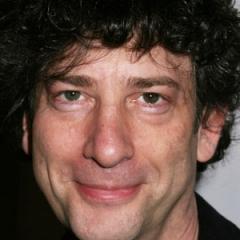
Neil Gaiman
Neil Gaiman, born on November 10, 1960, is a renowned British author. His works span across various genres including fantasy, horror, and science fiction, with notable titles such as 'American Gods' and 'Good Omens'. Gaiman's writing style is distinctive and has won him a dedicated fan base. more
You May Also Like
Source: Mythos Academy Bundle: First Frost, Touch of Frost, Kiss of Frost & Dark Frost
“Blood is a strange color. It's darker than you expect it to be.”
“I suppose everything is bound to look different when you aren't on your way to die.”
“Indifference is the revenge the world takes on mediocrities.”
Source: The Wit and Humor of Oscar Wilde
Source: The Ocean at the End of the Lane: A Novel