“Art is a kind of innate drive that seizes a human being and makes him its instrument. The artist is not a person endowed with free will who seeks his own ends, but one who allows art to realize its purpose through him. As a human being he may have moods and a will and personal aims, but as an artist he is "man" in a higher sense— he is "collective man"— one who carries and shapes the unconscious, psychic forms of mankind.”
Quote by Carl Jung
Author
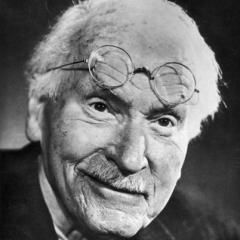
Carl Jung
Carl Jung, born on July 26, 1875, and died on June 6, 1961, was a renowned Swiss psychiatrist and psychologist. His theories have had a profound impact on fields such as psychology, psychiatry, and religious studies. Jung proposed the theory of personality types, the concept of the collective unconscious, and founded analytical psychology. more
You May Also Like
Source: Memoirs Of A Geisha
Source: The Great Gatsby
Source: The Great Gatsby
Source: The Great Gatsby: The Authentic Edition from Fitzgerald’s Original Publisher: The authentic edition from Fitzgerald’s original publisher
Source: The Great Gatsby
Source: The Complete Works of F. Scott Fitzgerald: Novels, Short Stories, Poetry, Articles, Letters, Plays & Screenplays: From the author of The Great Gatsby, The Side of Paradise, Tender Is the Night, The Beautiful and Damned, The Love of the Last Tycoon, The Curious Case of Benjamin Button and many other notable works
Source: Mark Twain, the Globetrotter: Complete Travel Books, Memoirs & Anecdotes (Illustrated Edition): A Tramp Abroad, The Innocents Abroad, Roughing It, Old Times on the Mississippi, Life on the Mississippi, Following the Equator & Some Rambling Notes of an Idle Excursion, With Author’s Biography