Quotessence
Home / Quotes / Quote by Francois de La Rochefoucauld

Quote by Francois de La Rochefoucauld

Author
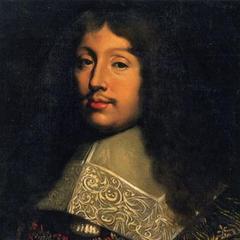
Francois de La Rochefoucauld

French author known for his wit and moral maxims. His works delve deeply into the flaws of human nature and the hypocrisy of society. more

You May Also Like

“Ever since the beginning of modern science, the best minds have recognized that "the range of acknowledged ignorance will grow with the advance of science." Unfortunately, the popular effect of this scientific advance has been a belief, seemingly shared by many scientists, that the range of our ignorance is steadily diminishing and that we can therefore aim at more comprehensive and deliberate control of all human activities. It is for this reason that those intoxicated by the advance of knowledge so often become the enemies of freedom.”

“It is only because the majority opinion will always be opposed by some that our knowledge and understanding progress. In the process by which opinion is formed, it is very probable that, by the time any view becomes a majority view, it is no longer the best view: somebody will already have advanced beyond the point which the majority have reached. It is because we do not yet know which of the many competing new opinions will prove itself the best that we wait until it has gained sufficient support.”

“Most men are followers, and implicitly rely upon the judgment of others. They mistake solemnity for wisdom, and regard a grave countenance as the title page and Preface to a most learned volume. So they are easily imposed upon by forms, strange garments, and solemn ceremonies. And when the teaching of parents, the customs of neighbors, and the general tongue approve and justify a belief or creed, no matter how absurd, it is hard even for the strongest to hold the citadel of his soul. In each country, in defence of each religion, the same arguments would be urged.”

“In questions of law or of fact conscience is very often confounded with opinion. No man's conscience can tell him the rights of another man; they must be known by rational investigation or historical inquiry.”