“The most important thing about the gentleman was that he was an idealist. ... He was bred up to a code of self-restraint which taught resistance to pragmatic temptation. He was definitely a man of sentiment, who refused to put matters on a basis of materialism and self-aggrandizement.”
Quote by Richard M. Weaver
Work
Ideas Have Consequences: Expanded Edition
This book delves into the profound influence of various philosophical concepts on the development of society and culture, offering an in-depth analysis of their historical and contemporary significance. more
Author
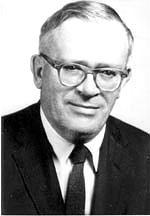
Richard M. Weaver
Richard M. Weaver was an influential American philosopher, born on March 3, 1910, and died on April 1, 1963. He is known for his profound insights into language, culture, and political philosophy, particularly for his work 'The Language of Art', which explored the nature of language and its relationship to reality. more
You May Also Like
Source: Ideas Have Consequences: Expanded Edition
Source: The Ethics of Rhetoric
Source: In defense of tradition: collected shorter writings of Richard M. Weaver, 1929-1963
Source: Life Without Prejudice: And Other Essays
Source: In defense of tradition: collected shorter writings of Richard M. Weaver, 1929-1963
Source: Ideas Have Consequences: Expanded Edition
“Ineffective leaders often act on the advice and counsel of the last person they talked to.”