“Love at its highest flood rushes beyond its object, and loses itself in the sense of divine mystery.”
Quote by George Eliot
Work
George Eliot Collection: Middlemarch, Adam Bede, Silas Marner, The Lifted Veil, and The Mill on the Floss
The George Eliot Collection brings together five of the author's most significant novels. Middlemarch is a comprehensive study of English provincial life in the 1830s, focusing on the lives of several families. Adam Bede is a novel that delves into the moral and social conflicts of the early 19th century. Silas Marner is a tale of a weaver's transformation, set against the backdrop of a small rural community. The Lifted Veil explores the theme of spiritual awakening, while The Mill on the Floss is a story of two siblings and their contrasting destinies. more
Author
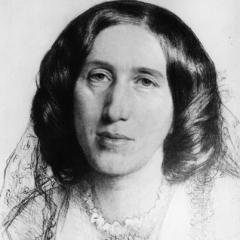
George Eliot
George Eliot, born Mary Ann Evans, was a renowned 19th-century British novelist. Her works are known for their profound psychological insights and critical exploration of social issues. With her unique narrative techniques and rich emotional expression, she has had a profound impact on literature. more
You May Also Like
“Charity brings to life again those who are spiritually dead.”
Source: Theological texts
Source: Philosophical Texts
“To disparage the dictate of reason is equivalent to contemning the command of God.”
Source: Philosophical Texts
Source: Basic Writings of St. Thomas Aquinas: Volume One
Source: Basic Writings of St. Thomas Aquinas, Volume 2
Source: Philosophical Texts
“Mistakes are made on two counts: an argument is either based on error or incorrectly developed.”
Source: St. Thomas Aquinas: Philosophical Texts