“If your house is burning, wouldn't you try and put out the fire?”
Quote by Imran Khan
Author
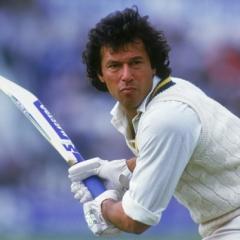
Imran Khan
Imran Khan is a notable Pakistani politician and former cricket player. He is the founder and leader of the Pakistan Tehreek-e-Insaf (PTI) party, which has gained considerable popularity in Pakistan for its promises of social and economic reforms. Born on November 25, 1952, Khan began his career as a cricket player, achieving international acclaim as the captain of the Pakistani cricket team. After retiring from cricket, he shifted his focus to politics and established the PTI in 1996. Over the years, he has been a vocal advocate for change in Pakistan, addressing issues such as corruption, poverty, and education. Khan's political career has included several key achievements. He served as the Prime Minister of Pakistan from 2018 to 2022, implementing policies aimed at improving the country's economy and social welfare. His tenure was characterized by efforts to combat corruption, promote transparency, and invest in infrastructure. Khan is also recognized for his philanthropic work, particularly through the Shaukat Khanum Memorial Cancer Hospital and Research Centre, which he founded in 1994. Khan's leadership style and policies have been both lauded and criticized. His supporters praise his commitment to social justice and his efforts to reform the political system. Critics, however, argue that his government faced challenges in implementing effective policies and managing the country's economic and security issues. Despite the controversies, Khan remains a significant figure in Pakistani politics, with a strong following and a vision for the country's future. more