“The ability of nonintelligent people to understand the most complicated mechanisms and to use them has always been to me a cause of astonishment: their inability to understand simple questions is even more astonishing. The general acceptance of simple ideas is difficult and rare, and yet it is only when simple, fundamental, ideas have been accepted that further progress becomes possible on a higher level.”
Quote by George Sarton
Work
A History of Science: Ancient Science Through the Golden Age of Greece
The book delves into the evolution of scientific thought and discoveries, focusing on the contributions made during the ancient period, particularly highlighting the advancements and intellectual achievements of the Golden Age of Greece. more
Author
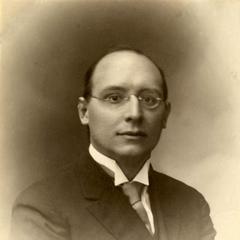
George Sarton
George Sarton was a renowned historian of science, known for his profound insights into the relationship between science and society. His book 'Introduction to the History of Science' had a profound impact on the field of the history of science. more
You May Also Like
“Erudition without pedantry is as a rare as wisdom itself.”
Source: A History of Science: Ancient Science Through the Golden Age of Greece
Source: Ancient Science Through the Golden Age of Greece
Source: A History of Science: Ancient Science Through the Golden Age of Greece
Source: A History of Science: Ancient Science Through the Golden Age of Greece
Source: Ancient Science Through the Golden Age of Greece
Source: Ancient Science Through the Golden Age of Greece
Source: A History of Science: Ancient Science Through the Golden Age of Greece
Source: A History of Science: Ancient Science Through the Golden Age of Greece
Source: A History of Science: Ancient Science Through the Golden Age of Greece
Source: Ancient Science Through the Golden Age of Greece