Quotessence
Home / Quotes / Quote by Lauren Greenfield

Quote by Lauren Greenfield

“I'm also looking for the psychological elements that fuel commodity culture. For example, if we imbue girls with deep insecurity about their bodies through images of an impossible ideal, we create a really vulnerable and avid consumer. If somebody feels that they're not OK without a certain product, you have a very deep and loyal market that will come back to the product again and again. Sometimes, this process is both rational and irrational.”

Quote by Lauren Greenfield

Author
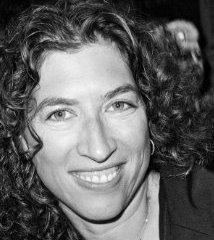
Lauren Greenfield
Lauren Greenfield

Lauren Greenfield is an American artist renowned for her photography and documentary films. Her work often focuses on social phenomena and human behavior, exploring themes such as consumerism, wealth, poverty, and youth culture. more

You May Also Like

“Europe was initially supposed to be primarily a political project! The EU never would have come about had it been up to experts or diplomats. It was created by people who had learned from the drama of our collective history. I am proposing a new beginning, not one in which it is first deliberated ad infinitum what instruments one needs, but one that follows from the goals we want to achieve.”

“Let's put an end to this European civil war, the existence of which we don't want to admit, and stop constantly looking at whether we are better than our neighboring country at this or the other thing. We have to be open to new things, and that includes things that have been taboo until now: France still insists that the treaties cannot be changed. Germany doesn't want any financial transfers. We have to leave these old ways of thinking behind.”

“I've also been documenting an unsustainable way of life. And you see in peoples' stories that this world of consumerism does not support the moral and spiritual values - of family and community - that people feel are most important. From an environmental perspective, the quest for more and more is not going to be possible on this planet. This is a historical documentation of an unsustainable path, and my hope is that this work allows people to think about their own agency and the potential for change.”