“Where does any novelist pick up any character? For the most part, in town, to be sure.”
Quote by Herman Melville
Work
Delphi Complete Works of Herman Melville (Illustrated)
The Delphi Complete Works of Herman Melville (Illustrated) is a meticulously curated compilation that brings together the complete body of work by Herman Melville. This illustrated edition includes his most famous novels such as 'Moby-Dick' and 'Typee', as well as lesser-known short stories and poems. The collection is designed to provide readers with an in-depth exploration of Melville's writing, showcasing his unique narrative style and profound themes. more
Author
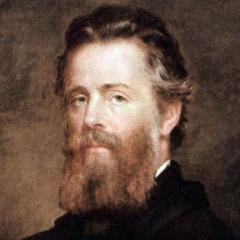
Herman Melville
Herman Melville was a renowned 19th-century American novelist known for his profound psychological descriptions and unique literary style. His masterpiece, 'Moby-Dick', is considered a classic of American literature. more
You May Also Like
Source: Typee: A Peep at Polynesian Life
Source: The Confidence-man: His Masquerade
“Praise when merited is not a boon: yet to a generous nature, is it pleasant to utter it.”
Source: Published Poems: The Writings of Herman Melville
“It is not the purpose of literature to purvey news. For news consult the Almanac de Gotha.”
Source: The Works of Herman Melville
Source: Tales, Poems, and Other Writings
Source: Correspondence
Source: Pierre; or The Ambiguities
Source: Works: Redburn, his first voyage
Source: Pierre or The Ambiguities