Quotessence
Home / Quotes / Quote by Borden Chase

Quote by Borden Chase

Author

Borden Chase
Borden Chase

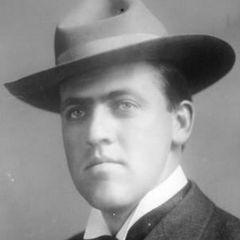
Borden Chase (January 11, 1900 – March 8, 1971) was an American writer, novelist, and screenwriter known for his Western-themed works. Born Frank Fowler in Brooklyn, New York, he began his career as a journalist before transitioning to fiction and film scripts. Chase is best known for his novels "Red River" and "Winchester '73," which were adapted into classic Western films directed by Howard Hawks and Anthony Mann. His writing style, characterized by gritty realism and a focus on the American frontier spirit, significantly influenced the Western genre. Chase died in California in 1971. more

You May Also Like

“Ah, the truth, what a thing it is! I sacrifice so much for it, with people: I forego, for truth's sake, discretion, loyalty, diplomacy, tact, polite manners, elegance, grace, poise, balance, good taste, conformity, image-role, fashionableness, polish, confidences, promises, ambition, consistency, identity, clarity, comprehensibleness, good will, hypocrisy, and lots of other things--amass sacrifice, at truth's altar. God! is truth worth it? I hope it is. It better be, in fact.”

“My friend had a brilliant idea. This impressed me. It reflected an immense deal of credit on his brain. But when he expressed it,it lost all value, and enjoyed but a commonplace status. My friend blamed this devaluation on the language. "I hate English," he said. So he studied another language. He mastered it so perfectly that there was no room left in his brain for a brilliant idea. Now he has a grudge against words. He refuses to use them. He prefers to shrug or grunt. A new crop of ideas is growing. They show promise of future refinement.”

“The museum is full of interesting things. All kinds of paintings are there. And then paintings too thick to put in a frame, that they call sculpture. And then there are spectators. with their scorecards, rooting for culture. And spectators of the spectators, looking for love's introduction. And art students taking notes. And old women trying to remember the past. And old men with too much to forget. And tourists, thinking that a museum represents a city. And loafers so poor, they study their soberness here.”